
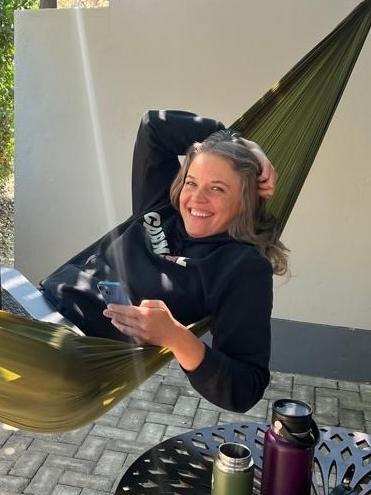
I am an ecologist with a focus on savanna ecosystems. Many savannas have fewer trees that their environment (soils and climate) might permit, because interactions with frequent fires and intense herbivory reduce tree recruitment and survival, thereby qualitatively altering ecosystem dynamics. I use a range of methods, from theory to remote sensing to monitoring plots to plant traits to paleoecology, to interrogate their functioning.
Current Members
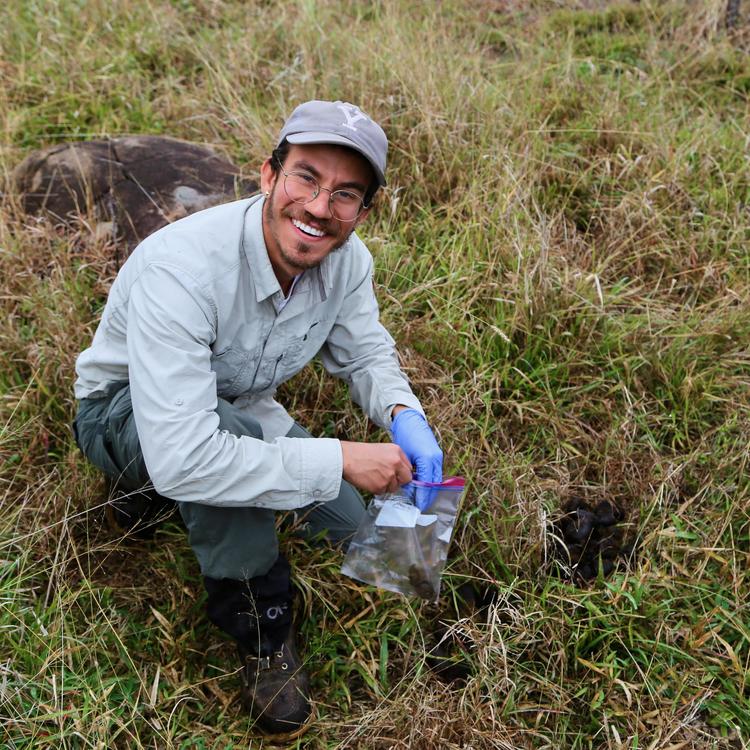
Joel is interested in how herbivory, particularly by large mammalian herbivores, structures plant communities. His research spans a range of scales and systems but focuses primarily on African savannas. He uses a combination of field observations, molecular techniques, and data synthesis to better understand both herbivore behavior as well as…
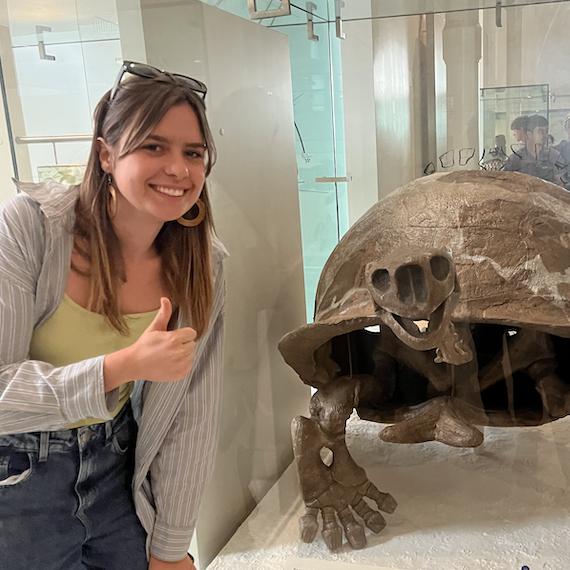
Camila is interested in understanding fire regimes and their effect on the structure and functioning of open tropical ecosystems, focusing especially on Brazilian savannas, and combining field experimental and remote sensing approaches. She received her Bachelor’s degree in Biological Sciences at the University of Campinas, working on the…
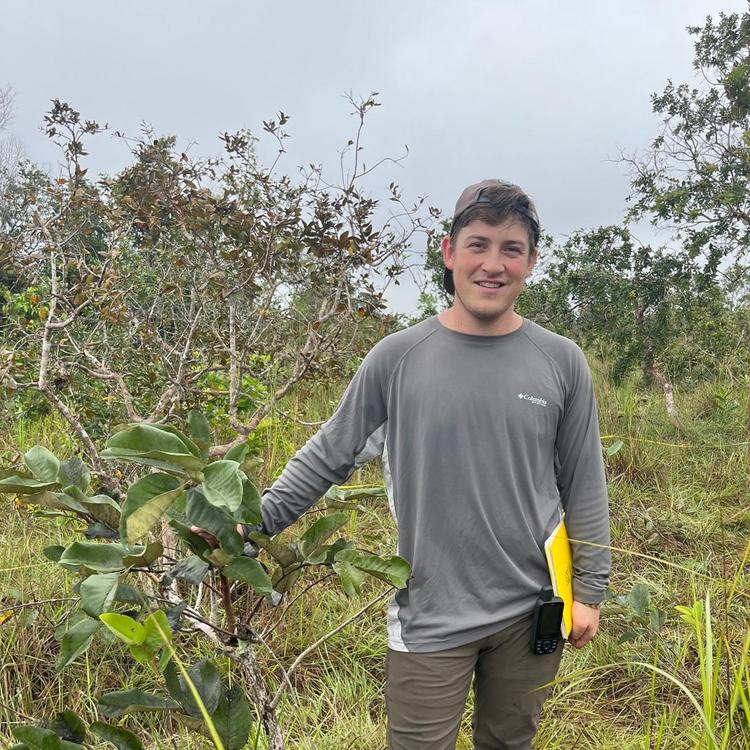
Evan is interested in how fine‑scale ecological processes shape broader landscape patterns and dynamics in savanna and forest ecosystems. His research integrates field ecology, landscape‑scale experiments, and very high‑resolution remote sensing technologies, including LiDAR, to link interactions among top‑down (e.g., plant–plant interactions,…
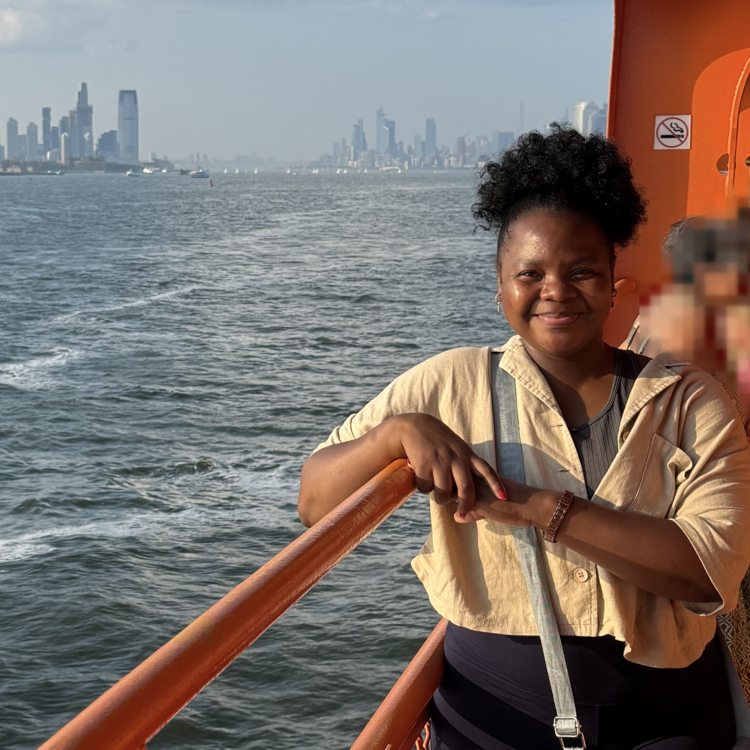
Nothando (MSc UNISA, co-advised with Sellina Nkosi and Haemish Mellville) is studying savanna fire behavior under evolving fire management and climate variability, and the ecological consequences of those changes, with a focus in Kruger National Park, South Africa. Nothando received her Diploma in Nature Conservation (2020),…
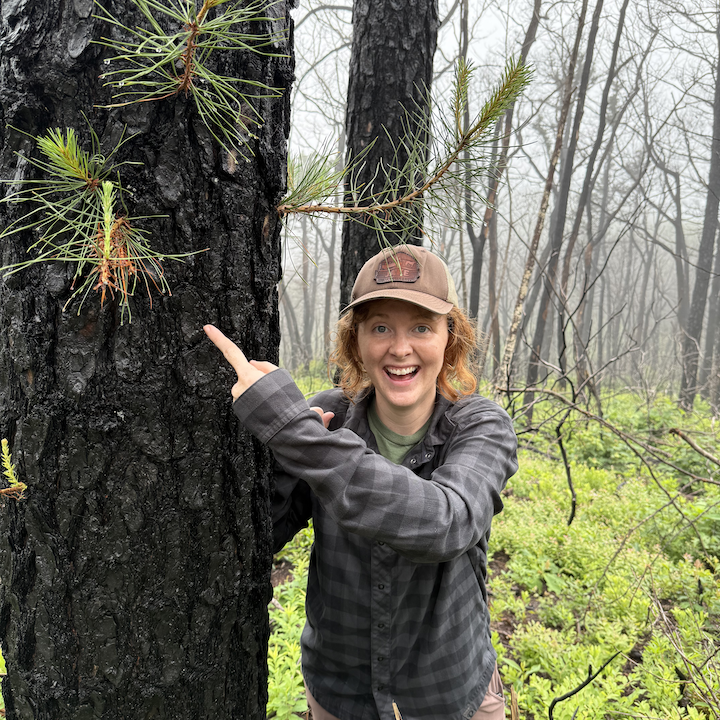
Marie is interested in the role of fire in maintaining savanna and grassland vegetation. She hopes to apply these interactions to the conservation and restoration of grassy ecosystems, especially in the American southeast. She received her B.Sc. in Organismal Biology and International Development from McGill University, and has worked in grassy…
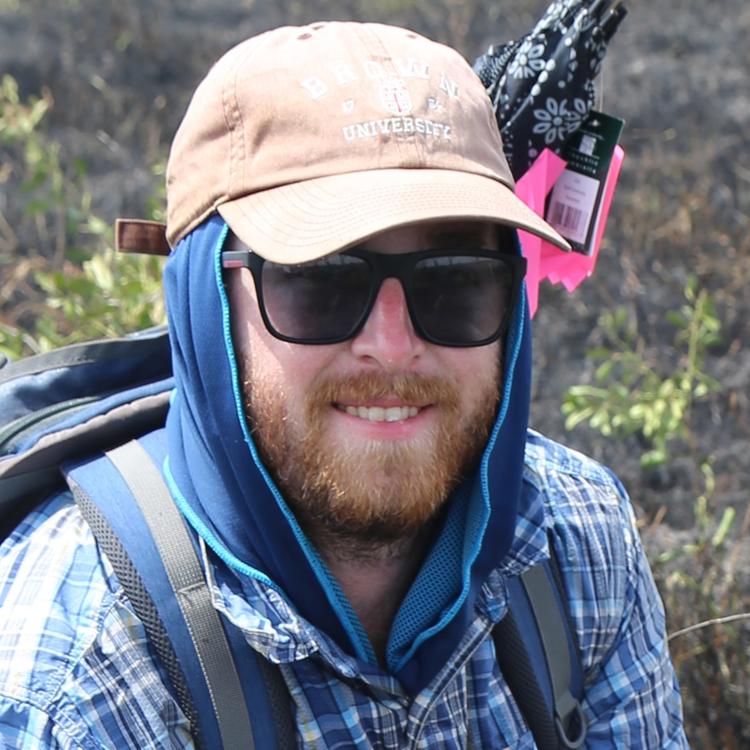
Nick (co-advised with Jenn Marlon, Yale School of the Environment) is an organic and isotope geochemist interested in how shifts in climate affect paleo-biogeography, ecosystem transitions, and fire dynamics. Nick received his PhD in Earth and Environmental Sciences from Columbia University, where his research focused on understanding the…
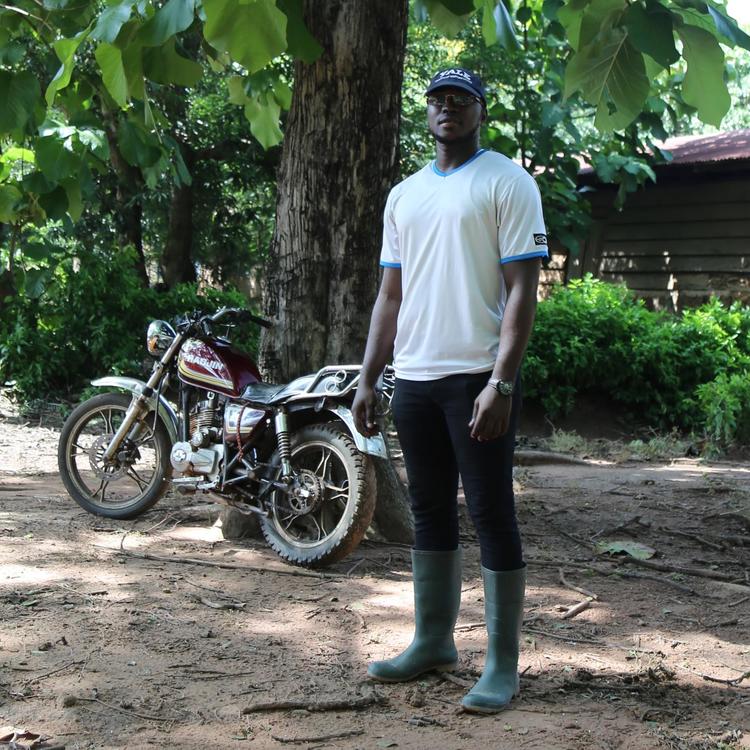
Emmanuel is interested in understanding tropical savannas and forest response to global change drivers, specifically how altered fire regimes and climate change could influence their vegetation dynamics. To answer these questions, he plans to use a combination of remote sensing, permanent monitoring plot, and traits-based approaches. He…
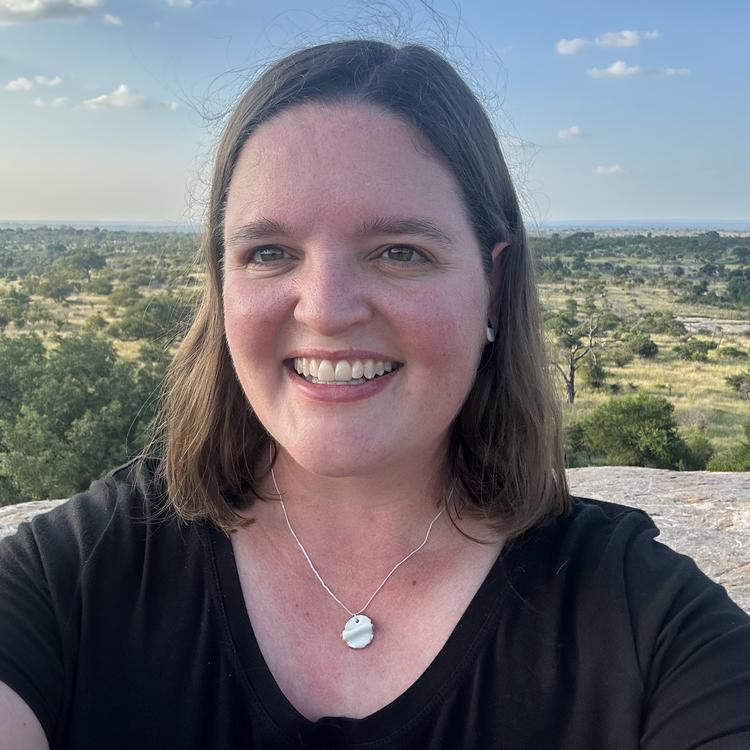
Courtney is interested in how large herbivores impact biodiversity and ecosystem processes, with a current focus on the impacts of large herbivores on savanna vegetation structure. Her work seeks to identify cryptic ecological functions that are lost due to large herbivore extirpation and to quantify the impacts of these losses on savanna…
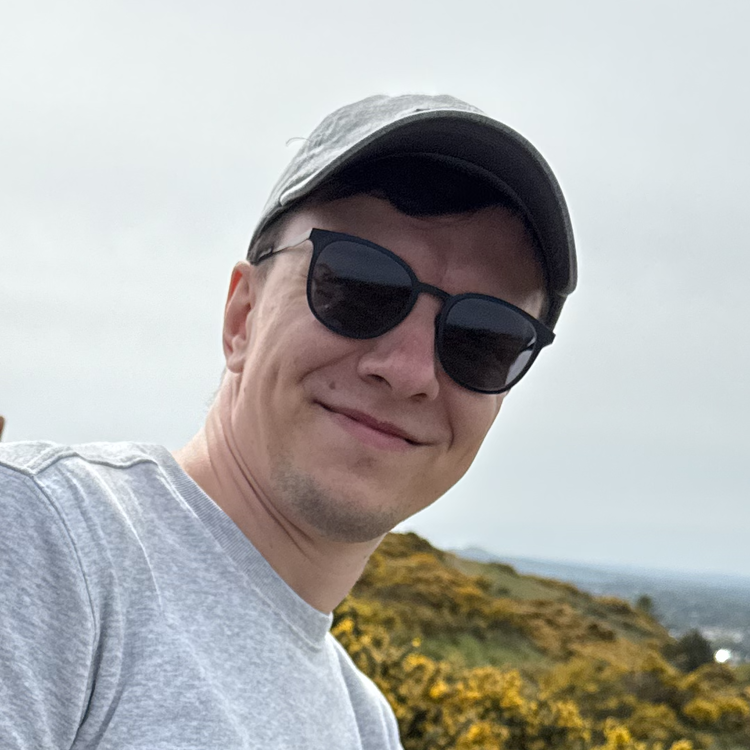
Matúš (University of Edinburgh, co-advised with Casey Ryan and David Williams) is using remote sensing and modelling methods for understanding vegetation and carbon cycle in the tropics, with a focus on resolving spatio-temporal dynamics of tropical forest-savanna transitions. He received BSc (Hons) in Ecological and Environmental Sciences from…
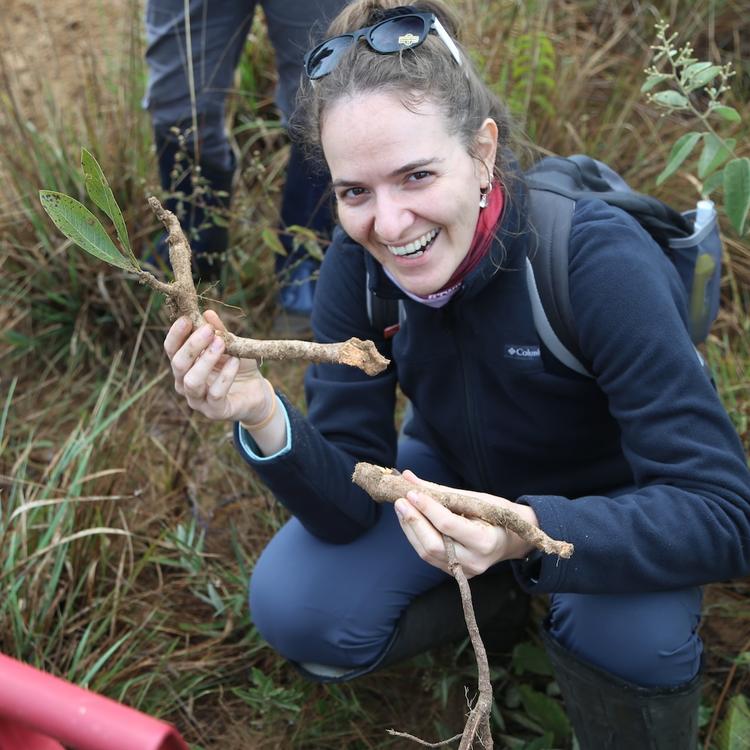
Juliana is a vegetation scientist interested in how fire determines ecosystem structure and function. She received her Ph.D. in Plant Biology at the Universidade Estadual Paulista, where she studied shifts in vegetation structure and associated plant functional traits that alter carbon dynamics in tropical grasslands and savannas under fire and…
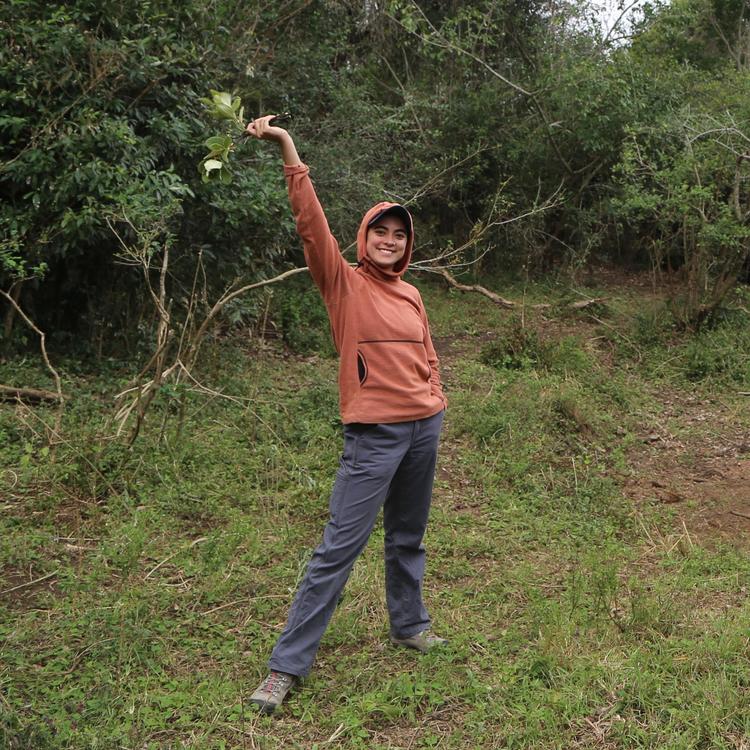
Riley studies how fire behavior changes across different vegetation structures and environmental conditions. She is exploring the relationship between fire behavior, weather variability, and grass biomass using both empirical and theoretical tools. She mainly focuses on savanna systems, although her work varies in scale from the plot level…